sapphires · education · ceylon
Is Ceylon Sapphire Good Quality? Why It Still Sets the Standard
Is Ceylon sapphire good quality? Usually yes, with a few caveats. Here is what Sri Lankan sapphire does well and what to check before you buy.
By Madhuki GemsPublished Updated 3 min read
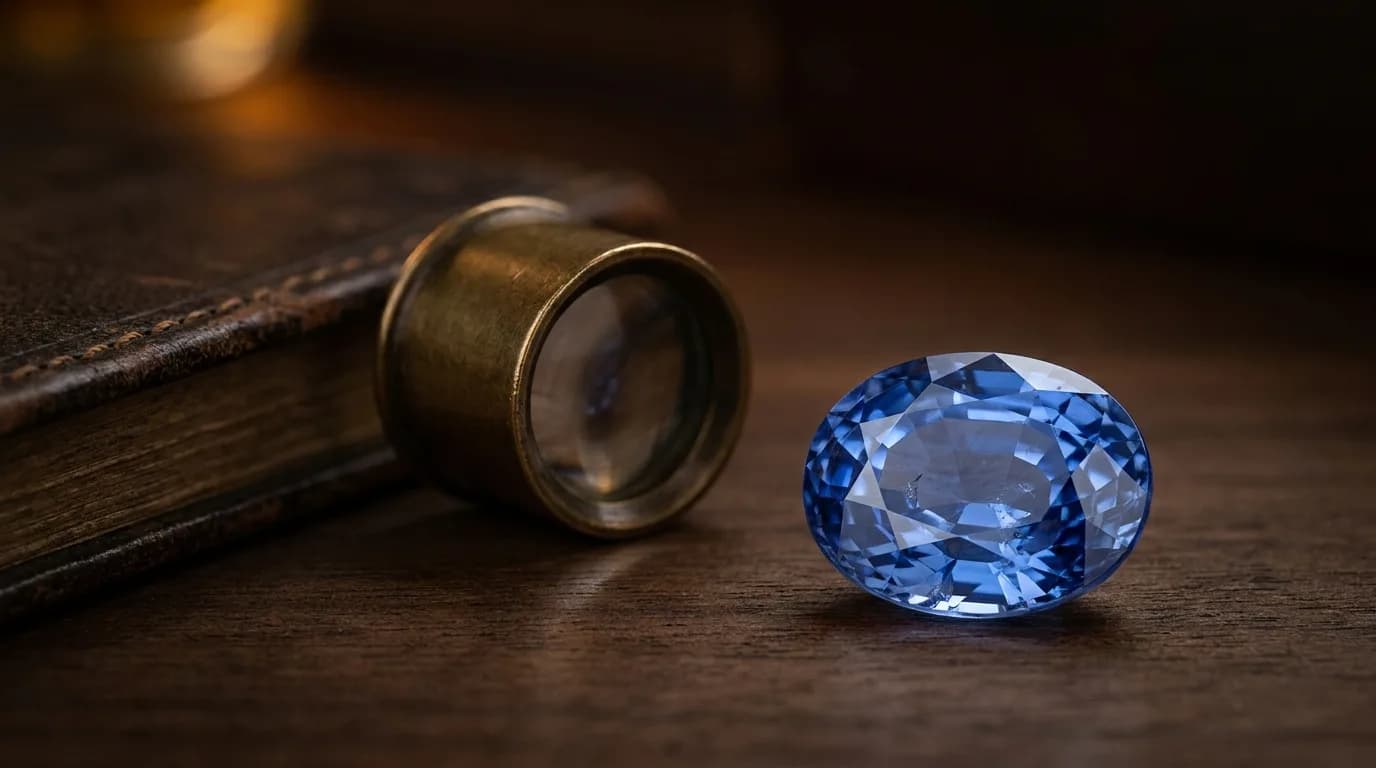
It is one of the most common questions buyers ask, and the honest answer is: Sri Lanka produces some of the finest sapphires in the world, but origin alone does not make a stone good. Here is what Sri Lankan sapphire does well, where quality varies, and what to check on any stone you are considering.
What Sri Lankan sapphire does well
Brightness. Sapphires from Sri Lanka tend to contain less iron than stones from many other sources. The result is lighter, cleaner colour and strong brilliance. A good Ceylon blue stays lively indoors and at night, where darker sapphires can turn inky.
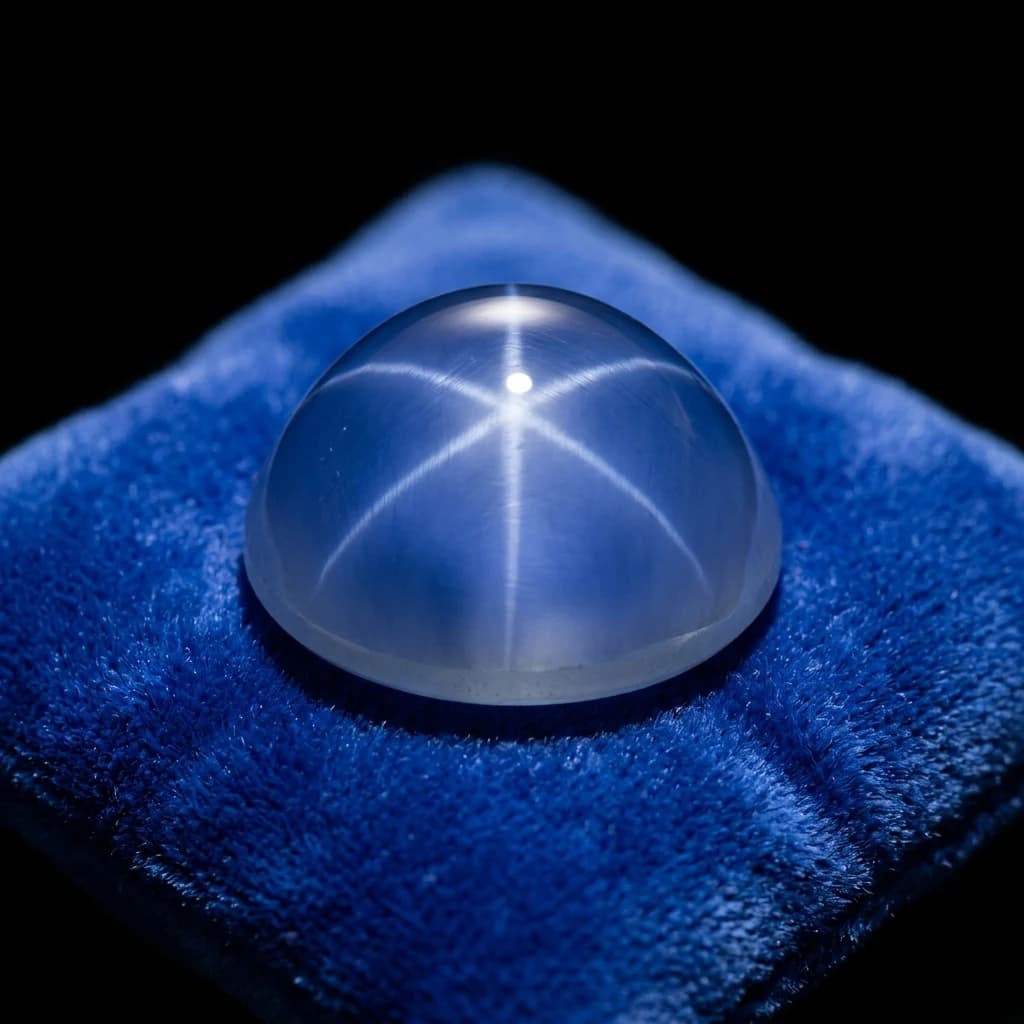
Range of colour. Few sources produce such a wide spectrum: cornflower and royal blues, pinks, yellows, oranges, purples, colourless stones, star sapphires and the rare pink-orange padparadscha.
Size. Sri Lanka is known for producing large, clean crystals, so fine stones of several carats are more available than from many other deposits.
History. The island's gem gravels have been worked for well over two thousand years, and Sri Lankan sapphires appear in royal and museum collections around the world. That track record is why "Ceylon" still carries weight on a label.
How it compares with other origins
Every origin has its own character. Kashmir sapphires are famous for a soft, velvety blue; the finest Burmese stones for a deep, saturated royal blue. Sapphires from basalt-related deposits, such as those in parts of Australia and Thailand, are often darker because they contain more iron. Madagascar produces material that can look very similar to Ceylon sapphire. None of these is simply "better": the question is which look you prefer and how well a particular stone shows it.
Where quality varies
Not every Sri Lankan sapphire is fine. Watch for:
- Pale, washed-out colour. Some Ceylon stones are too light to have much presence.
- Windows. Traditional cutting often kept weight in a deep base, which can leave a lifeless patch in the centre of the stone.
- Colour zoning. Bands of colour and colourless areas are common in Sri Lankan crystals and should be hidden by a good cut.
- Undisclosed treatment. Milky geuda corundum is routinely heated to turn it blue. That is accepted, but it should be disclosed and priced accordingly.
What to check before you buy
- Colour first. Look for an even, vivid colour in a medium tone.
- Cut. The stone should look bright across its whole face, with no dead centre.
- Clarity. Aim for a stone that looks clean at arm's length.
- Treatment. Ask directly whether the stone is heated, and how. Our article on sapphire heat treatment explains what the answers mean.
- A report. For a significant purchase, a report from an independent laboratory confirms identity and treatment, and may give an origin opinion. See how to read a gem certificate.
Remember that an origin statement on a report is an expert opinion based on the stone's inclusions and chemistry, not a guarantee. A fine stone with a clear treatment disclosure is always a better buy than an ordinary one with a famous name.
Our view
We choose stones for colour, brightness and cut first, and treat origin as part of each gem's story rather than a selling point on its own. To learn more, read our full Ceylon sapphire guide, see a 3.21 ct faceted blue sapphire, or browse natural Ceylon sapphires in the shop. If you are looking for a particular size or colour, message us and we will tell you honestly what is available.