Gem guide
Sri Lankan Alexandrite: How the Colour Change Works
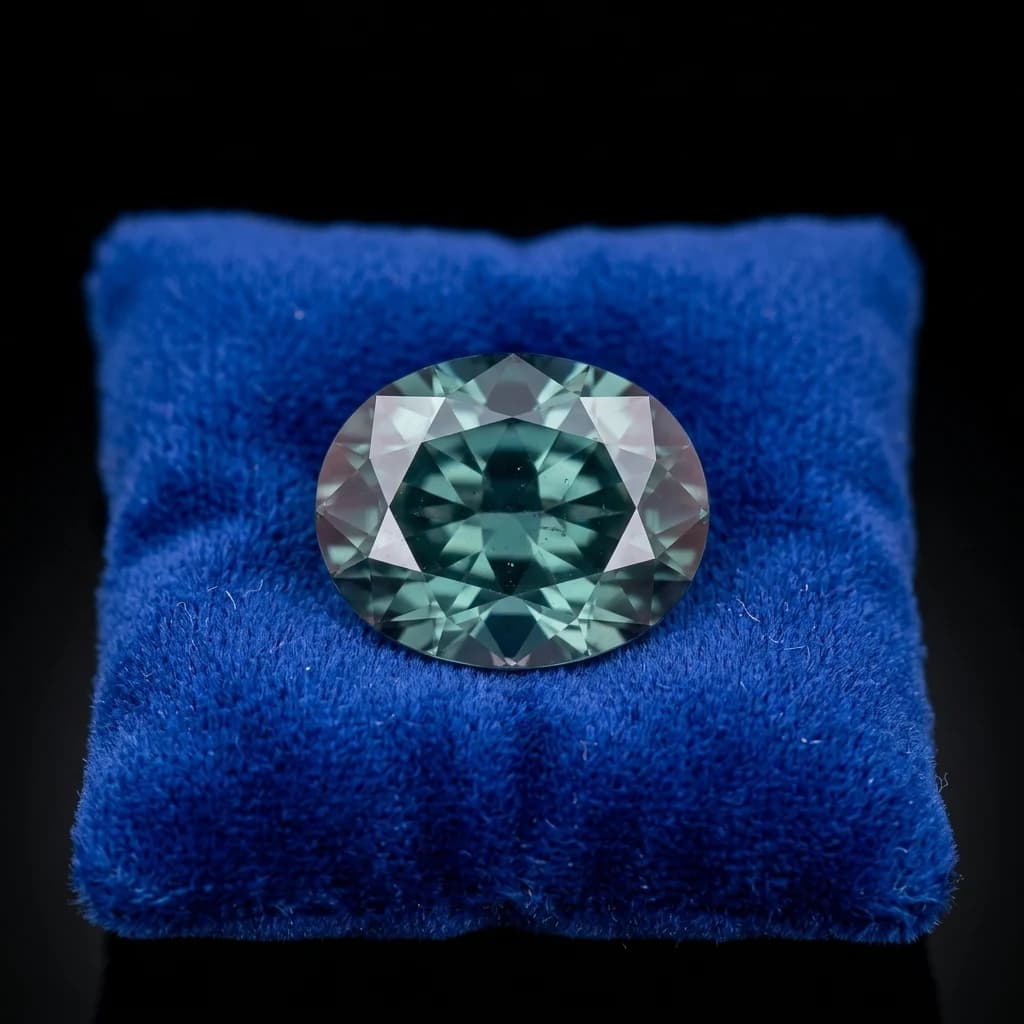
Sri Lankan alexandrite is one of the rarest colour-change gems: green in daylight, red under warm light, and often found in larger sizes than alexandrite from other sources.
What is alexandrite?
Alexandrite is a rare variety of chrysoberyl, a beryllium aluminium oxide. It rates 8.5 on the Mohs scale, so it is durable enough for rings. What makes it special is its colour change: the same stone looks green or bluish green in daylight and red or purplish red under warm, incandescent light.
The gem was first found in Russia's Ural Mountains in the nineteenth century and named after Tsar Alexander II. Russian deposits were soon exhausted, and Sri Lanka became one of the most important sources.
How the colour change works
Traces of chromium in alexandrite absorb light in a narrow band of yellow, leaving two windows of colour: green and red. Daylight is rich in blue and green light, so the stone looks green. Candlelight and warm bulbs are rich in red light, so the stone looks red. The effect is often summed up as "emerald by day, ruby by night".
No two stones change in quite the same way. The strength of the change, from barely noticeable to a complete swap of colour, is the most important factor in value.
What Sri Lankan alexandrite is like
Alexandrite from Sri Lanka is found in the island's gem gravels alongside sapphire and other chrysoberyl. It is known for occurring in larger sizes than stones from many other sources. Some Sri Lankan alexandrites show a more muted, olive or yellowish green in daylight and a brownish red at night, while the finest show a clean bluish green changing to a rich purplish red.
How to judge quality
Colour change. Look at the stone in daylight and under a warm bulb. The more complete and attractive the change, the more valuable the stone.
Colours. Pure green to bluish green in daylight and red to purplish red at night are ideal. Brownish tones in either light lower value.
Clarity and cut. Clean stones are prized, and a good cut shows both colours evenly. Because alexandrite is so rare, fine stones over a carat are exceptional.
Always ask for photos or video in both types of light. A single daylight photo cannot show you what you are buying.
Cat's-eye alexandrite
Some alexandrite contains fine parallel inclusions that create a sharp line of light across a cabochon, known as a cat's eye. Cat's-eye alexandrite, which shows both the colour change and the eye, is one of the most prized collector gems from Sri Lanka. Read more about cat's-eye chrysoberyl from Sri Lanka.
Imitations to watch for
Because natural alexandrite is scarce, colour-change synthetic corundum and synthetic spinel are sometimes sold as alexandrite, and lab-grown alexandrite also exists. They can look convincing. A report from an independent laboratory is the reliable way to confirm a natural stone; our guide to reading a gem certificate explains what it should say.
Buying alexandrite
See the 1.85 ct natural alexandrite in our collection, or browse natural alexandrite for sale as new stones arrive. We will send photos in daylight and warm light before you order.